
Against the Heat: A Black Female Firefighter’s Journey to Captain
Jessica Jackson - St. Louis Firefighters IAFF Local 73
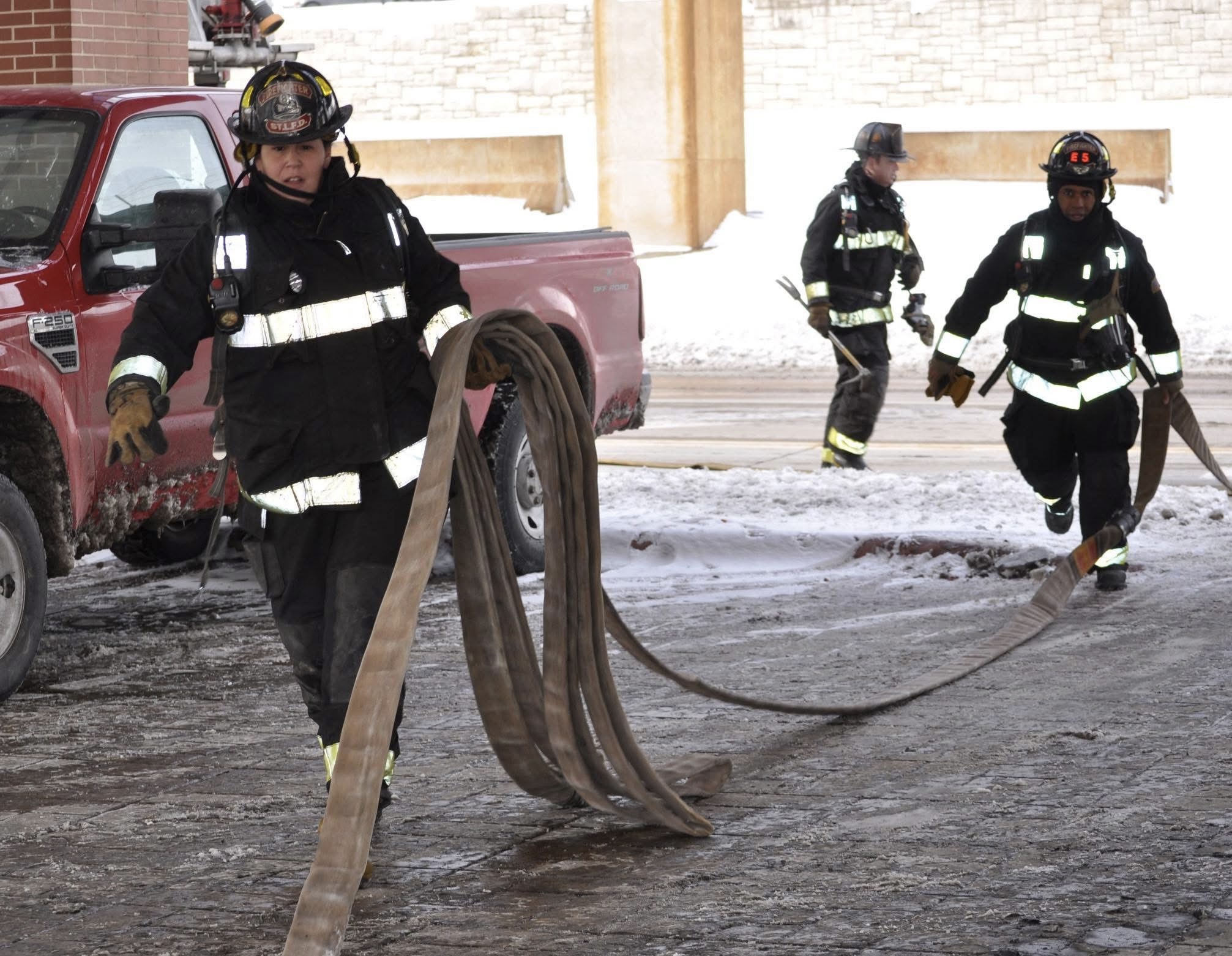
There are moments in this job that break you open—long nights, heavy calls, quiet drives back to the house, and the beautiful victories most will never fully understand. No one talks about the strength it takes to earn a promotion, then survive the pushback, and the constant challenges that follow, before we even get the badge.
The fire service demands more than strength and skill; it demands hard work, sacrifice, and the courage to do what’s right even when it’s difficult or unseen. Staying true to your values, putting in the work day after day, and standing firm in your integrity is not always easy but it is what defines us.
Being a firefighter is demanding. Being a female firefighter comes with an entirely different set of challenges—many of them unseen, unspoken, and deeply ingrained in a system that was never designed with us in mind, especially being a Black woman.
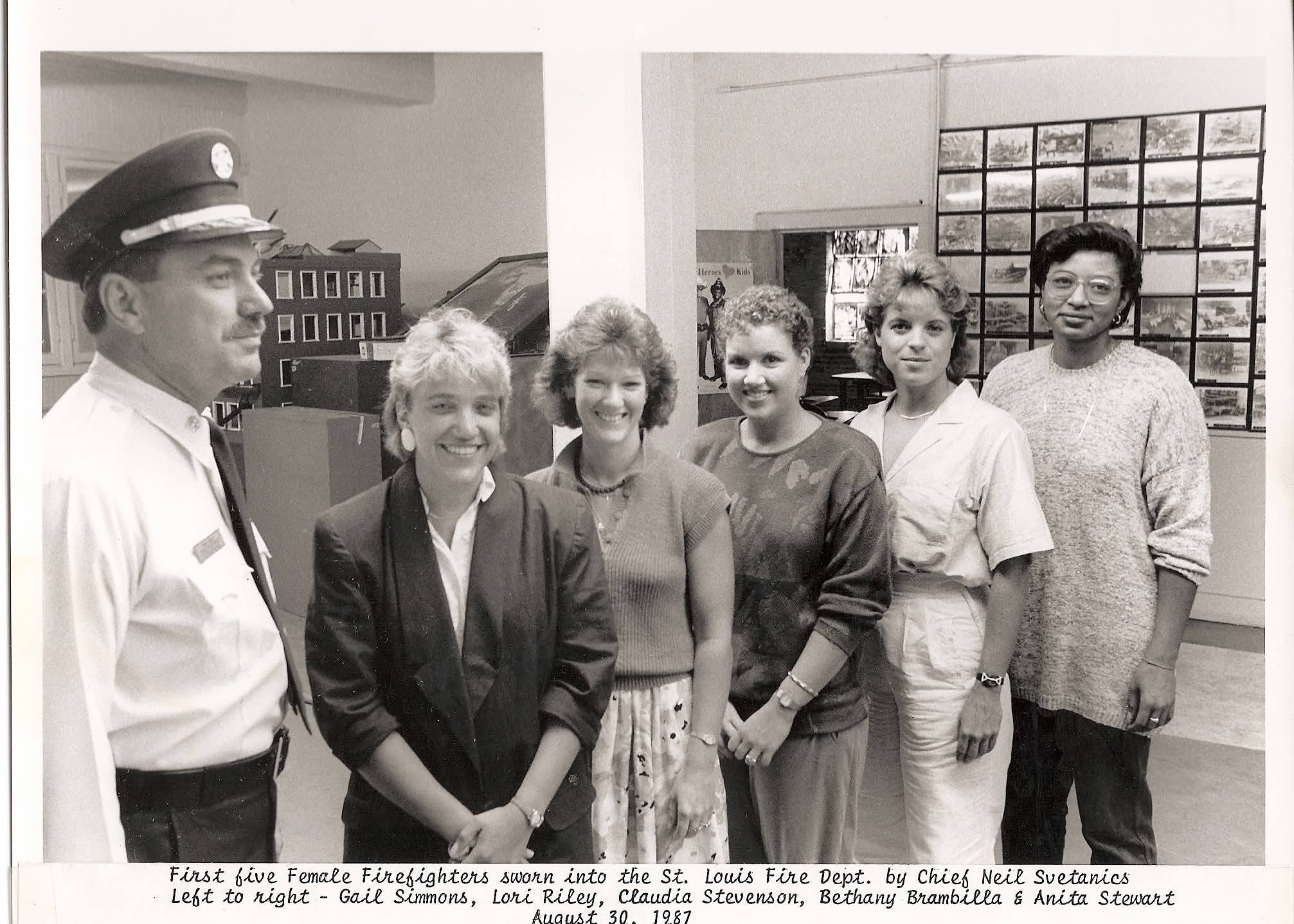
To understand how far we’ve come, it’s important to know our history. The St. Louis Fire Department hired its first women firefighters in 1987, a group of five trailblazers who paved the way forward. Since that time, the department has hired a total of thirty-three women. As a woman in the fire service, I often find myself in conversations and spaces that were never built with me in mind. Still to this day, I wear gear and uniforms designed for men. I must add that I am a proud union member, and I know that the IAFF is investing in women through medical research, health and wellness, and properly fitting gear. The challenges are real, persistent, and undeniable.
One of the most underestimated challenges in the fire service is the promotional process. A promotional test in the fire department is unlike any test I’ve ever taken. It is mentally exhausting, emotionally draining, and all-consuming. It requires months—sometimes years—of preparation. We miss family events and skip time with friends. We isolate ourselves to study. We also invest hundreds, sometimes thousands, of dollars into books, manuals, reference materials, and prep courses, all for a 100-question written exam that can determine the trajectory of our career. And if we make the cut, the process is far from over. Next comes two days of intense oral assessments, where every word, every pause, every decision is evaluated. We walk into rooms knowing we must prove not only our competence but our worth. To date, ten of those thirty-three women have been promoted. Those are powerful numbers. They reflect progress earned through perseverance, solidarity, proven performance, and the continued push for fairness within our ranks.
So finally on January 9, 2026, after twenty years of grinding and serving alongside some of the best firefighters I’ve ever known, I became one of those ten promoted. Finally, I was promoted to the rank of Captain. I say "finally" because four years ago, the City of St. Louis decided to halt promotions. While disappointing, this was not surprising. The city has a long history of failing to administer promotional exams regularly. What made this moment devastating was being on the verge of promotion—only to be told it would not happen. Believing promotion was imminent, I still chose to continue investing in myself and my profession. I returned to school and earned my Bachelor’s degree in Fire Administration. I stayed prepared. I stayed committed. And in the end, that commitment mattered. Despite years of delay and a demoralizing wait, I was ultimately promoted to Captain.
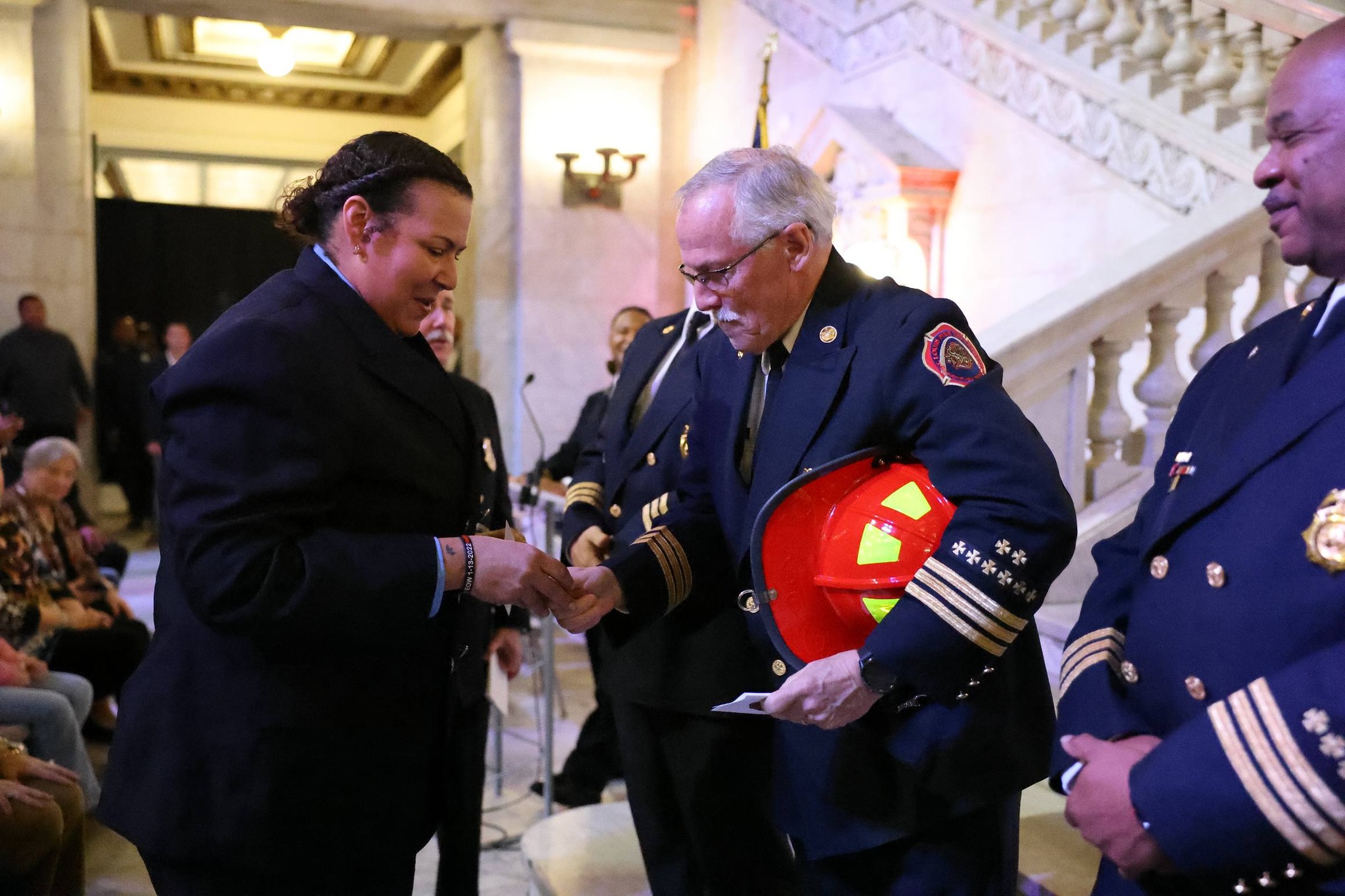
As a Black female, there are moments when it feels like the weight of the world is pressing against you—when the obstacles feel intentional, systemic, and deeply personal. In those moments, I made a choice: I stayed true to myself. I led with integrity, passion, and positivity. I refused to let bitterness replace purpose.
The fire service is family—and when things became unjust, it was my fire family, along with our attorneys and the unwavering support of IAFF Local 73, who stood beside us. Because what is right is right. We fought. We stayed united. And we won our lawsuit. As a result, eighteen Captains and nine chiefs were promoted. This journey reinforced an important truth: as firefighters we come in teams for a reason, we cannot do this alone. To any woman considering a career in the fire service or pursuing promotion, if this is something you want, you can do it. Progress in this profession is built on solidarity, resilience, and the courage to stand together when fairness is challenged. The fire service may not have been built with us in mind—but we belong here. Through unity and collective action, we continue to reshape it for those who come after us. And when one woman rises, she holds the door open for the next.
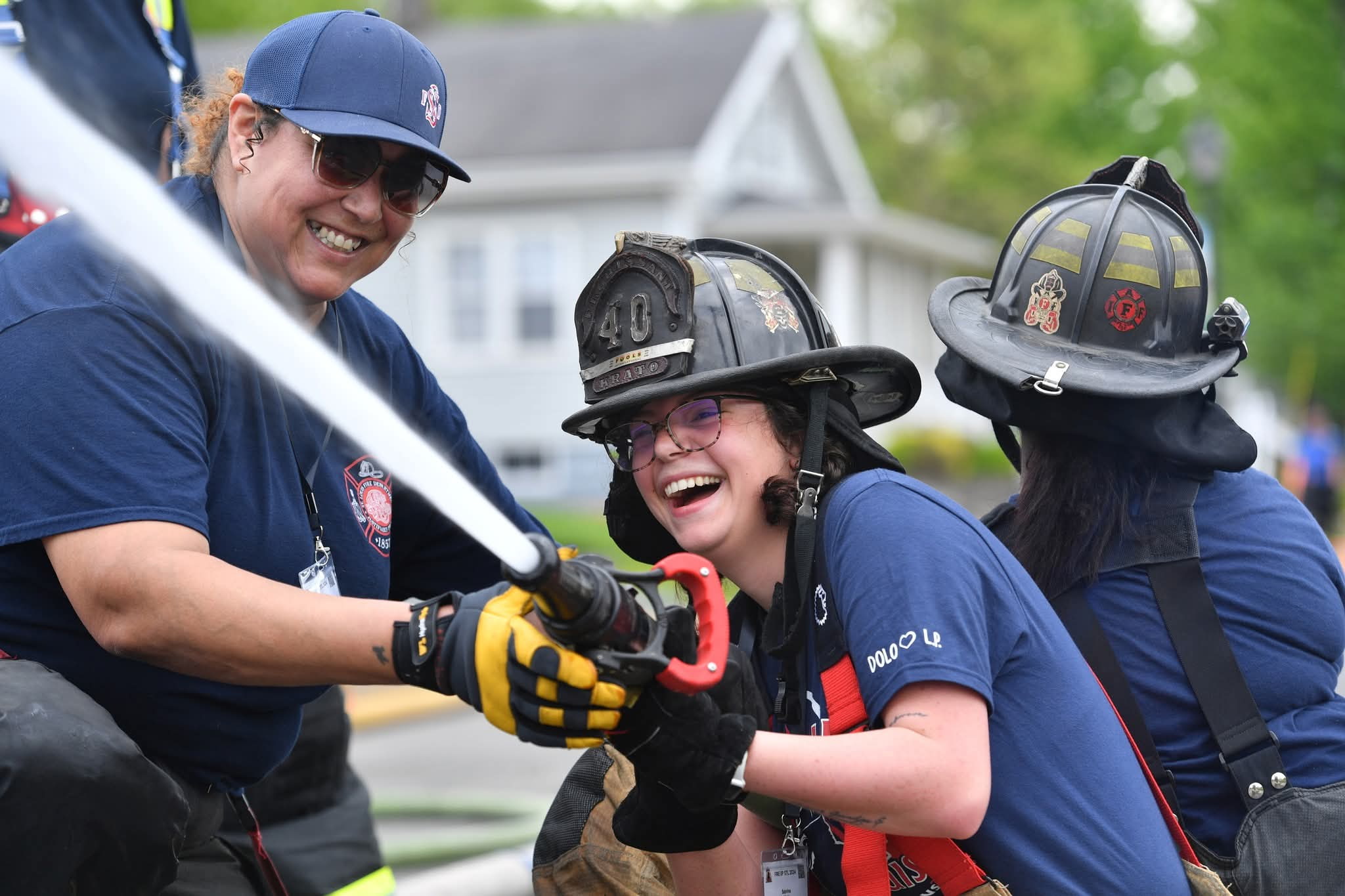
In the end, this journey to get the promotion I rightfully earned was not all about me. It was about believing in the difference between right and wrong. It was about the people who stood by my side, supported me, and never let me stand alone. For that, I am grateful. At the end of the day, yeah, I’ve been through some things—but that’s the job. That’s being a firefighter. As I step into this next chapter, I want people to know: if it’s something you’re passionate about, it’s worth fighting for.